How to Create the Perfect Indoor Environment for Cats
Keeping your cat indoors can protect them from many outdoor dangers, but an indoor lifestyle still needs to provide opportunities for exercise, exploration, scratching, climbing, hiding, and play.
A great indoor environment isn't about filling your house with expensive cat products. It's about understanding your cat's natural behaviors and giving them appropriate ways to express them.
Whether you have an energetic kitten, a relaxed adult, or a senior cat, here are practical ways to create an indoor space where your cat can feel comfortable, secure, and entertained.
🧗 1. Give Your Cat Vertical Space
Cats don't experience a room only from the floor.
Many cats love being able to climb and observe their environment from above. Vertical spaces can provide exercise, enrichment, and comfortable resting locations.
Consider adding:
Cat trees
Window perches
Cat-safe shelving
Elevated beds
Stable furniture your cat is allowed to use
Make sure climbing structures are secure and appropriate for your cat's age and mobility.
📦 2. Provide Safe Hiding Places
Cats need somewhere to retreat when they want privacy.
Cardboard boxes, covered cat beds, tunnels, and other appropriate hiding spaces can help your cat feel secure.
Don't automatically pull your cat out of a hiding spot simply because you want them to socialize. Giving cats control over when they interact can help them feel safer in their environment.
🪵 3. Offer Multiple Scratching Options
Scratching is normal cat behavior—not your cat's attempt to destroy your furniture!
Cats scratch to stretch, maintain their claws, and communicate through scent and visual markings.
Provide different options such as:
Tall vertical scratching posts
Horizontal scratchers
Cardboard scratch pads
Different textures and materials
Place scratchers near areas your cat already likes spending time, particularly around sleeping locations and areas where they've previously scratched.
🪶 4. Make Daily Play Part of the Routine
Indoor cats still need opportunities to stalk, chase, and pounce.
Interactive toys can help satisfy those natural behaviors.
Try:
Wand toys
Toy mice
Balls
Puzzle toys
Food-dispensing toys
Short interactive play sessions throughout the day may work better than expecting your cat to entertain themselves indefinitely.
Rotate toys periodically to keep things interesting.
🪟 5. Create a Safe Window-Watching Spot
For many cats, a window is better than television.
A secure window perch gives your cat the opportunity to watch birds, people, squirrels, cars, and neighborhood activity from indoors.
Make sure windows and screens are secure. An excited cat can put more pressure on a loose screen than you might expect.
🧠 6. Add Mental Enrichment
Physical exercise is only one part of keeping an indoor cat engaged.
Mental enrichment can include:
Puzzle feeders
Treat hunts
Training sessions
New cardboard boxes
Rotating toys
Safe new scents and objects to investigate
Interactive play
Even simple changes can make an indoor environment more interesting.
🍽️ 7. Think About Where You Place Food and Water
Your cat's feeding area should be somewhere they feel comfortable eating without being disturbed.
Some cats also prefer water placed separately from their food.
Consider offering multiple water sources around the home, particularly in multi-level houses. Cat fountains can encourage some cats to interact with their water more frequently, although preferences vary.
Always provide access to clean, fresh water.
🚽 8. Get the Litter Box Setup Right
A good indoor environment includes an appropriate litter box arrangement.
A commonly recommended starting point for multi-cat households is one litter box per cat, plus one additional box, although individual needs and home layouts vary.
Place boxes in accessible, relatively quiet locations where cats won't feel trapped.
Keep litter boxes clean and pay attention to changes in use. Avoidance, straining, frequent attempts to urinate, or other sudden litter box changes can indicate a medical problem and should be discussed with a veterinarian.
🐱 9. Consider Each Cat in a Multi-Cat Household
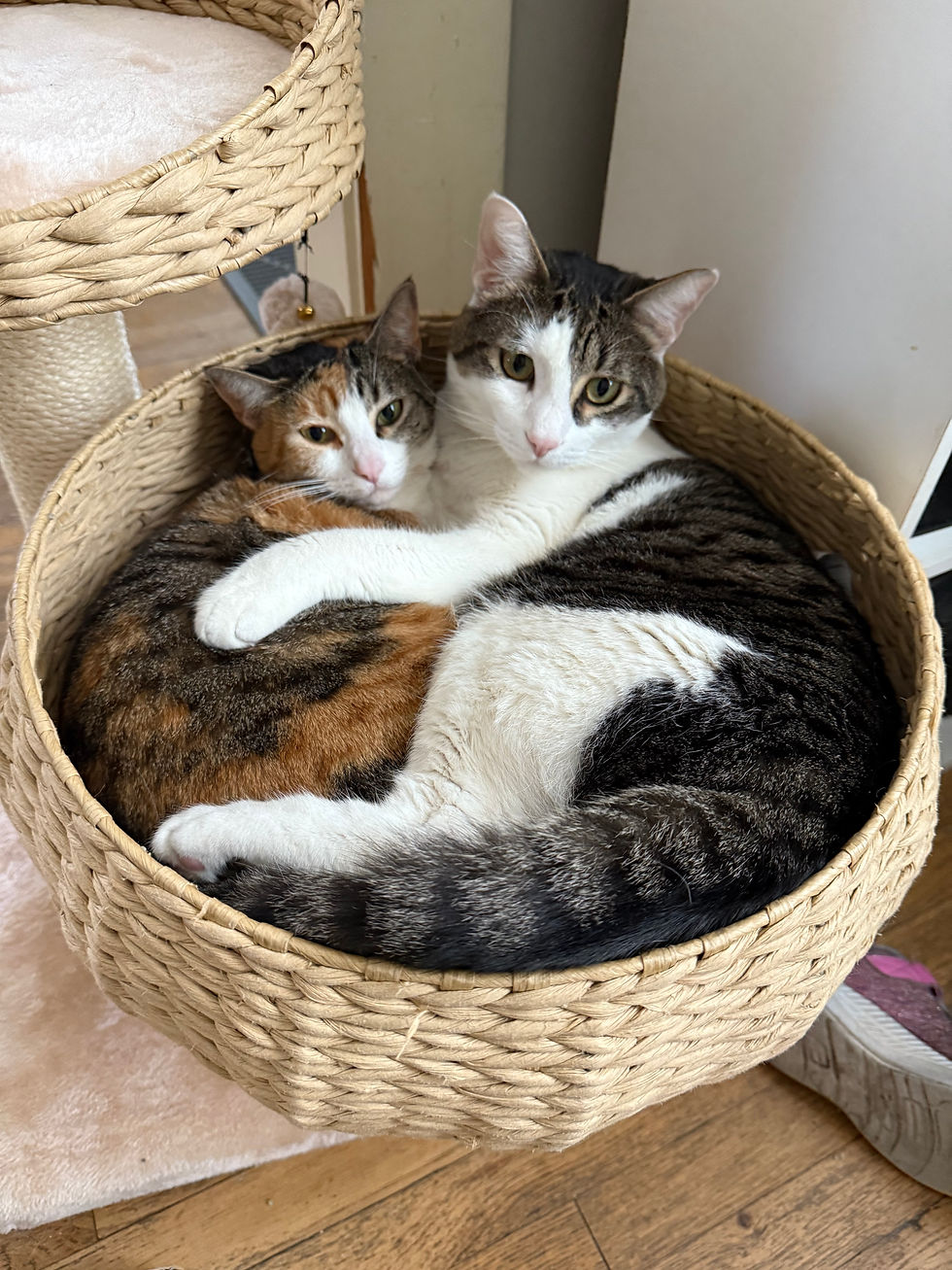
Two cats living together don't necessarily want to share everything.
Providing multiple resources can help reduce competition.
Consider having separate:
Food stations
Water sources
Litter boxes
Beds
Scratching areas
Hiding spaces
Elevated resting locations
Give each cat opportunities to move around the home without constantly competing for important resources.
🛏️ 10. Create Comfortable Sleeping Areas
Cats spend a lot of time resting, so comfortable sleeping options matter.
Offer several choices throughout the home, such as:
Soft beds
Elevated resting areas
Quiet corners
Sunny window spots
Covered beds
Your cat will probably ignore the expensive bed at least once and sleep in the cardboard box it arrived in. That's part of living with cats!
🌡️ 11. Keep Temperature and Comfort in Mind
Make sure your cat has places where they can comfortably regulate their temperature.
During hot weather, provide cool areas and fresh water. During colder periods, cats may seek warmer resting locations.
Senior cats or cats with mobility problems may particularly appreciate warm, easily accessible sleeping areas.
🌱 12. Check Your Houseplants
Before bringing plants into a cat-friendly home, verify that they're safe for cats.
Some plants can cause serious illness if chewed or swallowed. Lilies are particularly dangerous to cats and should be kept out of cat households.
Remember that cats may also investigate potting materials, fertilizers, or plant treatments.
🔌 13. Cat-Proof the Home
Curious cats can get into surprising places.
Check your home for hazards such as:
Loose cords
Strings and ribbons
Hair ties
Medications
Cleaning products
Unsafe foods
Open windows
Unsecured screens
Small objects that could be swallowed
String-like objects can be especially dangerous if swallowed, so interactive string and wand toys should be stored appropriately when not being used.
👵 14. Adapt the Environment for Senior Cats
As cats age, jumping and climbing may become more difficult.
You can make the home easier to navigate by adding:
Low-entry litter boxes
Steps or ramps
Easily accessible beds
Food and water on the primary living level
Lower climbing options
Non-slip surfaces where helpful
Your cat should still have enrichment—the environment simply needs to evolve with their abilities.
❤️ 15. Don't Forget Human Interaction
Even a perfectly designed indoor environment doesn't replace meaningful interaction.
Depending on your cat's personality, they may enjoy:
Playtime
Brushing
Training
Petting
Sitting near you
Simply sharing the same room
Not every cat wants constant attention. Learn what your individual cat enjoys and respect when they want space.
🏡 Maintaining Enrichment While You're Away
Your cat's needs don't disappear when you go on vacation.
A professional pet sitter can help maintain their normal routine by providing food, fresh water, litter box care, playtime, enrichment, and companionship based on your cat's preferences.
Regular visits also provide an opportunity to notice changes in appetite, bathroom habits, behavior, or the home environment while you're away.
🐾 Final Thoughts
The perfect indoor cat environment isn't about having the biggest cat tree or the most toys. It's about giving your cat choices.
Give them places to climb, scratch, hide, sleep, watch, play, eat, drink, and use the litter box comfortably. Combine those resources with predictable routines and appropriate human interaction.
When indoor cats have safe opportunities to express natural behaviors, their home becomes much more than a place they live—it becomes an environment designed around their well-being.
At Alissa's Pet Services, we understand that every cat has their own routine and personality. Our cat sitting and drop-in visits focus on maintaining familiar routines and providing personalized attention, play, and enrichment while pet parents are away. 🐱🐾💛


Comments